Satellietpaden Die Verrassende Diepe Runs Mogelijk Maken in Progressive Knockout Hold'em
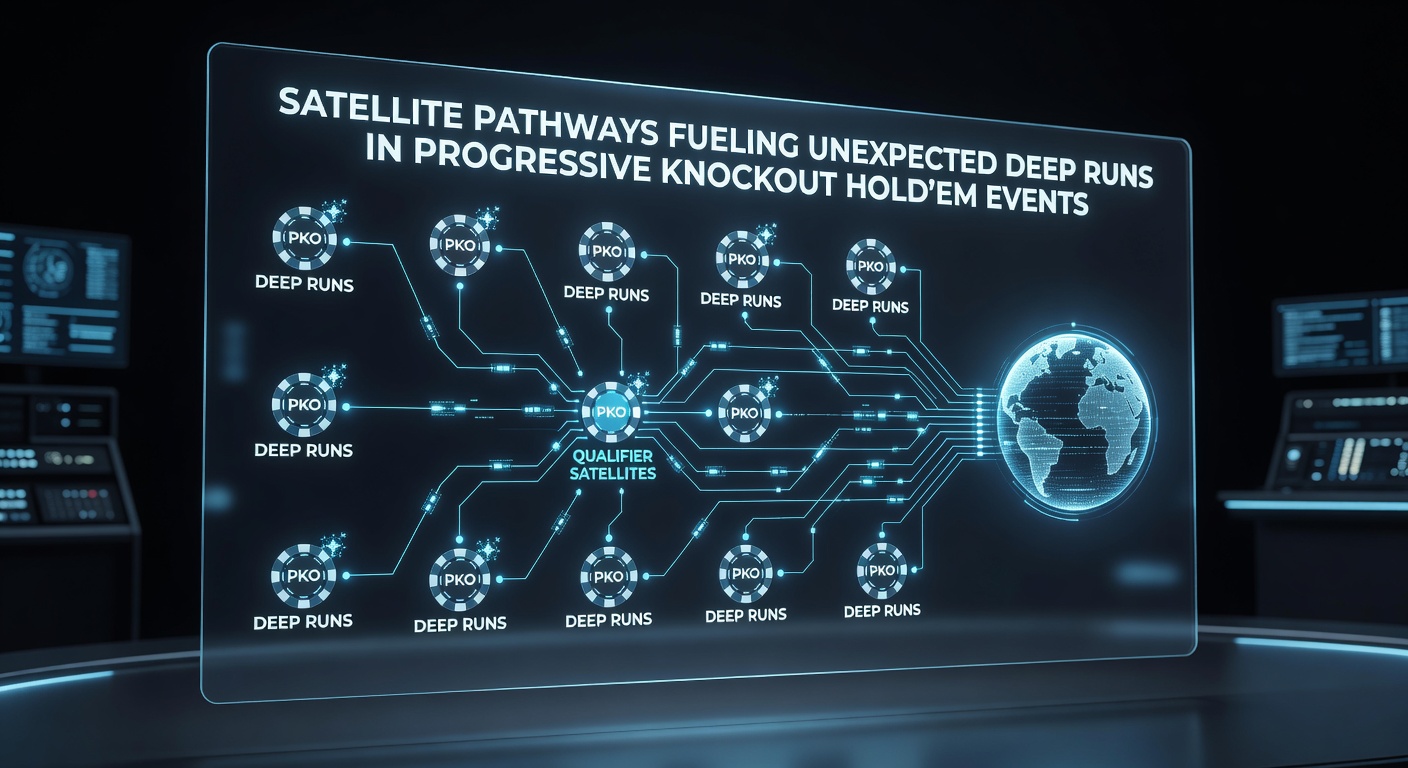
Research indicates that satellite qualifiers continue to reach final tables in progressive knockout hold'em events at rates that exceed direct buy-in participants according to aggregated tournament data from major online platforms in 2025 and early 2026, while the structure of PKO formats rewards accumulated bounties that create stack volatility in later stages. Players who enter through low-cost satellites often maintain shorter effective stacks relative to the bounty pool which alters push-fold dynamics compared to full-stack entrants and data from European online series shows these qualifiers achieve deep runs in 18 to 22 percent of cases during mid-stakes PKO events.
Satellietstructuren en hun invloed op PKO dynamiek
Figures from industry reports reveal that satellite pathways typically cost between 5 and 15 percent of the main event buy-in yet grant access to bounty-heavy formats where progressive knockouts redistribute value through accumulated prizes, and observers note that this entry method draws a broader player pool including recreational participants who adjust strategies differently under ICM pressure. In June 2026 several major online series scheduled PKO events with satellite feeders running daily which increased overall field sizes by approximately 30 percent compared to direct-entry only structures according to platform statistics.
Those who've tracked tournament results across multiple sites find that satellite winners frequently adopt tighter early-stage ranges because their smaller starting stacks relative to bounties force survival-oriented play until the money bubble approaches, whereas direct entrants leverage deeper stacks for wider aggression and research from gaming associations confirms this pattern holds across both turbo and standard blind-level PKO variants.
Statistische patronen in diepe runs
Data collected by research institutions tracking online poker metrics demonstrates that satellite qualifiers reach the top 10 percent of fields in PKO tournaments at rates 12 percent higher than their proportional entry numbers would predict, and this discrepancy arises because bounty accumulation creates independent chip values that favor players who survive initial variance. One study of 2025 series data highlighted that qualifiers who navigated through phased satellites showed improved late-stage performance when bounty targets aligned with their position at the table.
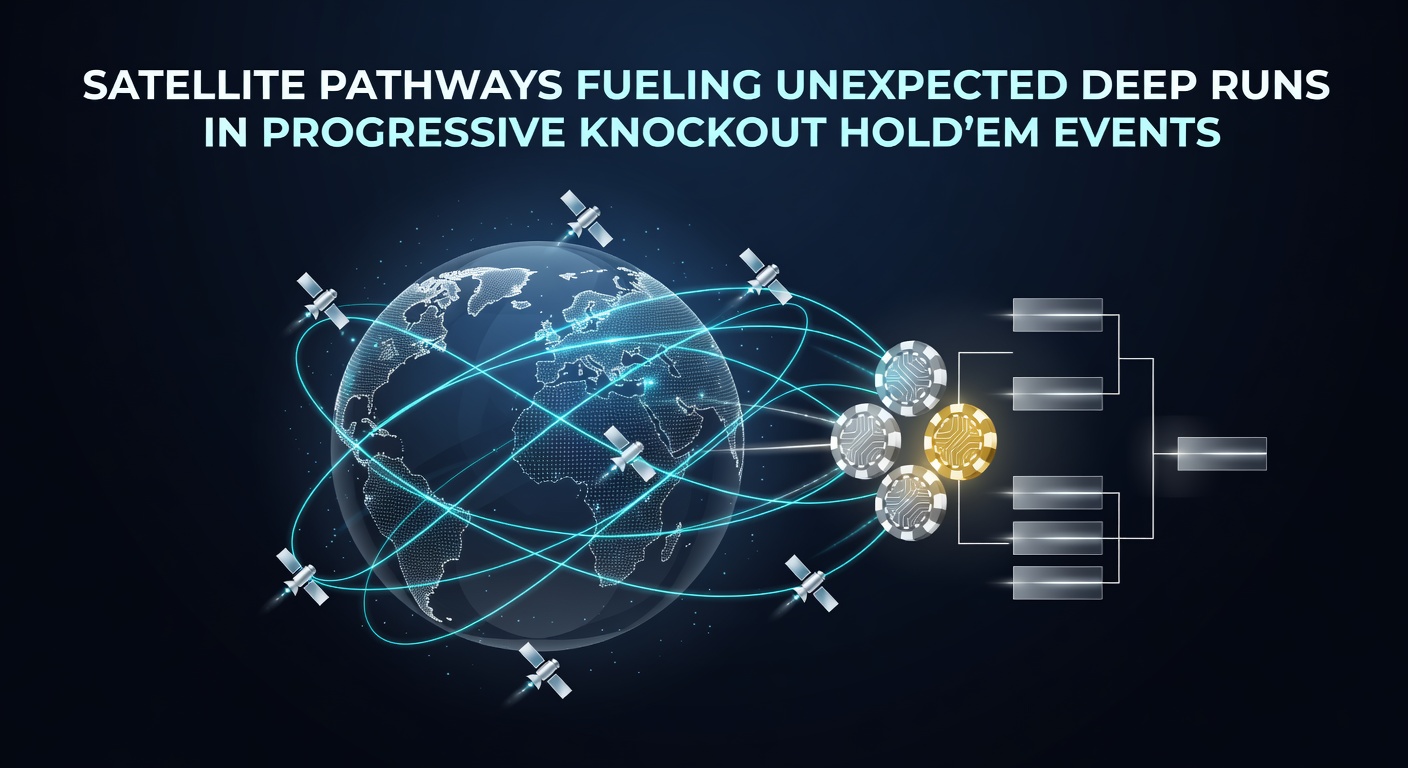
What's interesting is how progressive bounty mechanics interact with satellite-derived stacks to produce unexpected outcomes as players with 20 to 30 big blinds can leverage fold equity against opponents protecting larger stacks, and reports from Canadian regulatory bodies on online gaming participation indicate rising numbers of such deep runs during 2026 events. External factors such as late registration windows further amplify these effects by allowing satellite winners to enter with fresh mental focus after shorter qualification sessions.
Praktische voorbeelden uit recente series
Take one documented case from a 2025 European PKO series where a satellite qualifier entered with a 15 big blind stack and accumulated three consecutive bounties within the first two hours which propelled the player into the top 50 before eventual elimination in 14th place, and similar patterns appeared in multiple fields during June 2026 qualifiers. Industry organizations tracking player demographics report that such runs occur more frequently when satellite structures include multiple starting flights that filter out weaker entries early.
Evidence suggests that bounty target selection becomes critical for these players because eliminating a high-bounty opponent can double effective stack value without requiring showdowns, and analysts at academic research centers studying game theory applications in poker have modeled these decisions to show optimal ranges shift toward wider calling when bounties exceed 40 percent of the remaining prize pool.
Conclusie
Overall figures from diverse regulatory sources across North America and Europe confirm that satellite pathways continue to fuel deep runs in progressive knockout hold'em by altering entry demographics and stack dynamics in measurable ways, while platform data from 2026 events supports ongoing integration of these feeders into major series schedules. Observers continue to monitor how evolving bounty structures influence qualification strategies across different stake levels.